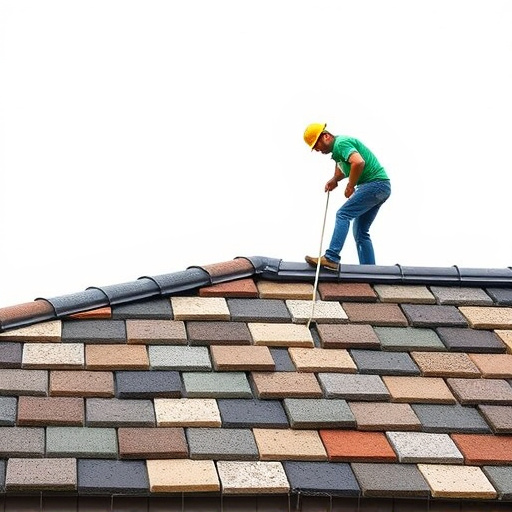
Eco-friendly roofing prioritizes material recycling to minimize waste and reduce environmental impact. Contractors categorize and assess old roof components for repurposing, saving energy and greenhouse gas emissions. Metal roofing is easiest to recycle, while organic materials require careful handling. Rigorous assessment protocols support the circular economy. Sustainable practices in construction protect the environment, save costs, and enhance client satisfaction. Embracing Roofing Naturally reduces construction and demolition waste, with strategies including metal roofs over existing structures and vegetative roofs.
In today's world, where environmental sustainability is a pressing concern, the construction industry faces the challenge of balancing progress with ecological responsibility. The traditional practice of building often involves significant waste and resource depletion, particularly in roofing projects. However, a growing trend among eco-conscious contractors offers a promising solution: recycling old materials sustainably. This innovative approach not only minimizes waste but also reduces the environmental impact of new construction. By exploring how these contractors navigate this process, we uncover a practical and impactful method for greener building practices, specifically focusing on roofing naturally and effectively.
- Assessing Materials for Recycling in Eco-friendly Roofing Projects
- Implementing Sustainable Practices: A Step-by-Step Guide for Contractors
Assessing Materials for Recycling in Eco-friendly Roofing Projects
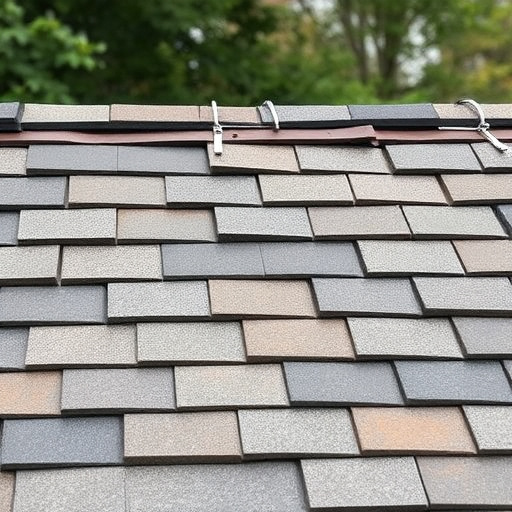
In eco-friendly roofing projects, assessing materials for recycling is a crucial step toward minimizing waste and maximizing sustainability. Contractors play a pivotal role in identifying which components from old roofs can be salvaged and repurposed, reducing the demand for new materials and lowering environmental impact. This process involves meticulous categorization of materials, ensuring they meet recycling criteria and are compatible with new roofing systems. For instance, asphalt shingles, a common roofing material, can be recycled into new shingles or used as aggregate in road construction, diverting them from landfills.
Expert contractors assess each component individually, considering both the physical attributes and chemical composition. Organic materials, such as wood shakes or tiles, require careful scrutiny due to potential treatment with preservatives. These must be separated and disposed of appropriately to avoid contaminating recyclable streams. Metal roofing materials offer a more straightforward path for recycling, as they can be melted down and reused in various applications without loss of quality. By implementing rigorous material assessment protocols, contractors can ensure that roofing projects contribute positively to the circular economy.
Data supports the environmental benefits: according to industry reports, recycling shingles saves approximately 40% of the energy required to produce new ones. Furthermore, it reduces greenhouse gas emissions and conserves natural resources. For example, a study by the Environmental Protection Agency (EPA) found that recycling one ton of asphalt shingles saves enough energy to power an average American home for up to six months. This underscores the significant contribution eco-friendly contractors make in mitigating environmental degradation.
To effectively integrate roofing naturally into the recycling cycle, contractors should stay updated on local recycling capabilities and establish partnerships with facilities that accept specific materials. They should also educate clients about the benefits of using recycled materials, fostering a culture of sustainability. Regular training sessions for staff on proper material segregation and handling are essential to maintain high standards throughout the project lifecycle.
Implementing Sustainable Practices: A Step-by-Step Guide for Contractors

Implementing sustainable practices is not just a trend for contractors; it's a necessity to protect our planet while ensuring long-term business success. A great starting point is looking at existing materials—a vast resource often overlooked. Eco-friendly contractors embrace roofing naturally, utilizing recycled and repurposed materials instead of conventional ones. For instance, old asphalt shingles can be melted down and used as aggregate for new shingles, reducing the demand for virgin resources. Similarly, metal from dismantled structures can be refined and reused in various applications, including roofing. This not only diminishes waste but also cuts down on energy consumption associated with manufacturing new materials.
A step-by-step guide to adopting sustainable practices could begin with a comprehensive material audit. Contractors should assess the types and quantities of materials used, identifying potential sources for recycling or reuse. Once identified, these materials can be prioritized for reintegration into new projects. For roofing specifically, this might mean installing metal roofs over existing structures, which can extend the life of both the old and new materials. Another strategy is to employ natural, low-maintenance roofing solutions like vegetative or green roofs, which offer additional environmental benefits while enhancing the building's aesthetics.
Data supports the urgency and effectiveness of these practices. According to a study by the U.S. Environmental Protection Agency (EPA), construction and demolition debris account for over 40% of total municipal solid waste generated in the United States. By actively recycling and reusing materials, contractors can significantly reduce this figure. Moreover, embracing sustainable roofing practices can lead to cost savings, improved project timelines, and enhanced client satisfaction, as environmentally conscious consumers increasingly prioritize eco-friendly options.
By assessing materials for recycling in eco-friendly roofing projects and implementing sustainable practices, contractors can significantly enhance their environmental impact. Key insights include prioritizing local, reclaimed, and recyclable materials; meticulous planning for material segregation and transportation; and adopting innovative techniques like using recycled content in new roofing systems. Through these measures, roofing naturally becomes a powerful tool for reducing waste, conserving resources, and contributing to a greener future. This article equips contractors with the knowledge and step-by-step guidance needed to navigate this sustainable landscape effectively.