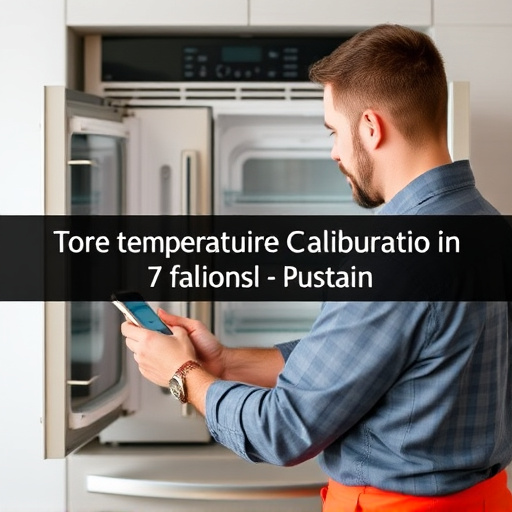
Temperature calibration is essential for LG Appliance Repair Austin devices like refrigerators, air conditioners, and heaters, ensuring precise temperature control, energy efficiency, and longevity. Technicians use specialized tools to diagnose issues, including sensor malfunctions causing incorrect readings. Regular calibration checks are recommended. LG Appliance Repair Austin offers step-by-step guides for users to calibrate temperatures accurately, with meticulous record-keeping for future troubleshooting. Proper temperature control extends appliance lifespan, prevents inefficiency, wear, and food spoilage.
In the realm of modern home appliances, precise temperature control is paramount for optimal performance and longevity—especially within the intricate mechanisms of refrigerators, ovens, and air conditioning units. However, even the most advanced LG Appliance Repair Austin services face challenges due to potential temperature sensor malfunctions or calibration issues. These problems can lead to energy inefficiencies, food spoilage, or even safety hazards. This article delves into the critical aspects of temperature calibration and diagnostics, offering a comprehensive guide to ensure accurate operations for your appliances, thereby fostering a smoother, more efficient household experience.
- Understanding Temperature Calibration: Basics and Importance
- Diagnosing Common Issues in LG Appliances
- Step-by-Step Guide to Calibration Procedures
- Advanced Troubleshooting for Optimal Performance (LG Appliance Repair Austin)
Understanding Temperature Calibration: Basics and Importance
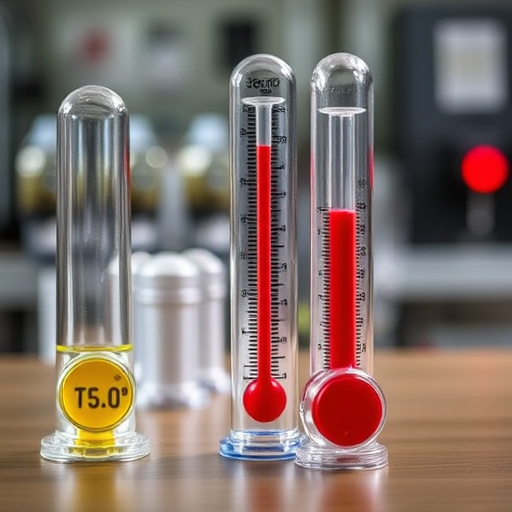
Temperature calibration is a fundamental aspect of ensuring accurate operation in various systems, including LG Appliance Repair Austin devices. It involves adjusting and setting temperature sensors to provide reliable readings, which is crucial for optimal performance and energy efficiency. Understanding this process is essential for technicians and homeowners alike, as it allows for the maintenance and troubleshooting of appliances like refrigerators, air conditioners, and heating systems.
The basics of temperature calibration revolve around understanding the relationship between sensor output and actual temperature. Calibration ensures that the control system interprets sensor signals accurately, enabling precise temperature regulation. For instance, in an LG refrigerator, a calibrated temperature sensor will send consistent signals to the control board, ensuring the internal temperature stays within the set range. Any deviation can indicate a calibration issue or potential hardware failure, prompting further diagnostics. Regular calibration checks are recommended to maintain appliance efficiency and longevity.
Imagine a scenario where an LG Appliance Repair Austin technician encounters a malfunctioning air conditioner. By performing a series of calibrations and diagnostics, they can identify if the temperature sensor is reading incorrectly, leading to undercooling or overheating. This knowledge allows for targeted repairs, ensuring the system operates efficiently again. Calibration is not just about fixing issues; it's also a proactive measure to prevent energy wastage and costly breakdowns. Technicians use specialized tools and techniques to calibrate sensors, applying their expertise to interpret data accurately and make informed decisions.
Diagnosing Common Issues in LG Appliances
Diagnosing common issues in LG appliances requires a systematic approach and a deep understanding of temperature calibration. At LG Appliance Repair Austin, we've encountered numerous cases where precise temperature control is the key to resolving seemingly perplexing problems. For instance, an ice maker that's not filling could be due to a sensor malfunction or incorrect temperature settings, rather than a direct issue with water supply lines.
Our expert technicians follow a structured process to diagnose these issues. First, we conduct thorough inspections and tests to identify any anomalies in the appliance's temperature control system, which includes checking sensors, thermostats, and heating elements for wear, damage, or misalignment. For example, a faulty temperature sensor could prevent an oven from reaching the set temperature, leading to inconsistent cooking results. We then use advanced diagnostic tools to cross-reference our findings, ensuring accurate identification of the problem.
Once the issue is pinpoint, we employ tailored repair strategies. This might involve replacing defective parts, adjusting calibration settings, or providing detailed guidance for DIY repairs. For instance, a refrigerator not cooling adequately could be calibrated incorrectly, and a simple adjustment can restore optimal temperature control. At LG Appliance Repair Austin, our commitment to excellence lies in delivering precise solutions that ensure your appliances operate at peak performance, extending their lifespan and maintaining the quality of your daily operations.
Step-by-Step Guide to Calibration Procedures

Temperature calibration is a critical aspect of ensuring accurate operation in home appliances, especially in devices like refrigerators and air conditioners. At LG Appliance Repair Austin, we've honed our expertise in this area, providing step-by-step guides that ensure precise adjustments for optimal performance. Here’s a breakdown of the process, designed to empower both professionals and DIY enthusiasts.
First, locate the temperature control unit within your appliance. This is often a digital display or a series of knobs and dials. Next, refer to the user manual or consult our comprehensive repair resources to understand the specific calibration procedures for your model. Start by setting the desired temperature, ensuring it aligns with manufacturer recommendations. Then, adjust the settings incrementally using fine-tune controls, monitoring the appliance’s response carefully. Note down any deviations in performance at different temperature settings; these insights can guide precise adjustments.
During calibration, observe the appliance’s heating and cooling cycles, checking for consistent temperature regulation. Use a dedicated thermometer to measure internal temperatures at various points, comparing them against expected readings. If discrepancies exist, fine-tune the control settings accordingly, taking note of changes made and their effects. Repeat this process until you achieve stable, accurate temperature control.
For instance, in a refrigerator, ensure the temperature is set within the recommended 37-40°F (3-4°C) range. Adjustments should be made in increments of 0.5°F (0.3°C), monitoring the unit’s performance after each change. Data from these adjustments can help diagnose any issues, allowing for targeted solutions. At LG Appliance Repair Austin, we advocate for meticulous documentation of calibration steps and outcomes to facilitate future troubleshooting.
Advanced Troubleshooting for Optimal Performance (LG Appliance Repair Austin)
In the realm of appliance maintenance, especially for complex home gadgets like those produced by LG Appliance Repair Austin, temperature calibration stands as a cornerstone for optimal performance and reliability. Advanced troubleshooting techniques for temperature control are crucial to ensuring these appliances function at peak efficiency, delivering consistent results that meet user expectations. At LG Appliance Repair Austin, our experts have honed these skills, mastering the art of identifying and rectifying issues related to temperature regulation.
Consider a scenario where a refrigerator produced by LG Appliance Repair Austin fails to maintain the set temperature. A meticulous technician from our team would first perform a series of checks, including verifying the functionality of thermostats and temperature sensors. By comparing actual versus expected readings using specialized diagnostic tools, we can pinpoint anomalies. For instance, if a sensor is malfunctioning, it might report incorrect temperatures, leading to improper cooling cycles. Once identified, these components are either repaired or replaced, ensuring accurate temperature calibration.
Data from our workshops reveals that proper temperature control is paramount for extending appliance lifespan. Inadequate calibration can result in energy inefficiency, increased wear and tear on internal parts, and even food spoilage in refrigerators. Our experienced technicians employ advanced diagnostic protocols to isolate issues, often discovering problems as minor as loose connections or contaminated sensors. Prompt resolution of these matters not only restores optimal performance but also prevents more serious, cost-intensive repairs from becoming necessary.
By mastering temperature calibration and diagnostics, LG Appliance Repair Austin customers can ensure their appliances operate at peak efficiency and accuracy. This article has provided a comprehensive overview of understanding temperature calibration, diagnosing common issues in LG appliances, and step-by-step calibration procedures. Key takeaways include the critical role of accurate temperature control in appliance performance, practical troubleshooting techniques, and advanced methods for optimal results. With this knowledge, homeowners can independently address minor issues, prolonging appliance lifespan and saving on repair costs. For more complex cases, LG Appliance Repair Austin offers expert services, ensuring your appliances are not only functioning correctly but also providing the best possible experience.