
Southern Arizona's distinctive terroir, characterized by mineral-rich desert soils, produces exceptional crisp white wines. Winemakers expertly cultivate varietals like Sauvignon Blanc and Riesling, leveraging soil components for enhanced acidity and structure. Through precise irrigation management and careful selection, wineries in southern Arizona create vibrant citrus and mineral-driven wines with unique flavor profiles. Aspiring winemakers should focus on soil analysis, suitable grape varieties, sustainable practices, and collaboration to emulate this success and contribute to the region's renowned crisp white wine production.
The global wine industry is witnessing a growing interest in unique terroirs, and the crisp whites grown in mineral-rich desert soils stand out as a remarkable example. Southern Arizona's wineries have long been known for their innovative approaches to viticulture, harnessing the region's distinct characteristics to produce world-class wines. However, understanding how these conditions impact flavor profiles presents a fascinating challenge. This article delves into the science behind these crisp whites, exploring the mineral-rich soils and their influence on the final product. By examining the specific techniques employed by wineries in southern Arizona, we uncover a genuine value that sets these wines apart, offering a unique experience for discerning palates worldwide.
- Unveiling the Secrets of Mineral-Rich Soils
- Arizona's Desert Wines: A Unique Terroir
- Winemakers in Southern Arizona: Crafting Crisp Whites
- Tasting Notes: The Character of These Crisp Whites
Unveiling the Secrets of Mineral-Rich Soils
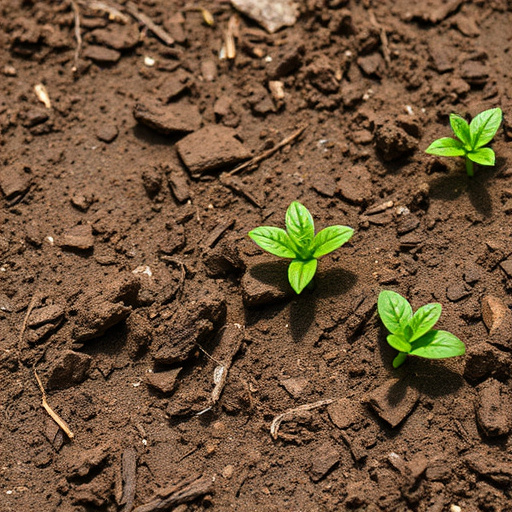
The unique terroir of mineral-rich desert soils is a critical factor shaping the character of wines produced in southern Arizona. Winemakers here have embraced the challenge of cultivating crisp white grapes in this arid environment, uncovering secrets that contribute to their distinctive flavors. Soils in regions like the Santa Cruz Valley, known for its vast expanses of desert land, boast an array of mineral components—from calcium carbonate to iron oxide—that significantly influence grape growth and wine quality.
These mineral-enriched soils play a pivotal role in enhancing acidity and providing structural support to white grapes. As a result, wines from southern Arizona exhibit remarkable crispness and balance. For instance, varietals like Sauvignon Blanc and Riesling, when grown in these conditions, often display vibrant citrus and stone fruit notes with a refreshing finish. Expert winemakers in the region have honed techniques to maximize these soil benefits, including precise irrigation management and careful selection of grape varieties suited to the climate.
Practical insights for aspiring winemakers in southern Arizona include regular soil testing to monitor mineral levels and pH balance. Adjustments in fertilization practices can be made based on these findings, ensuring optimal conditions for crisp white grapes. Moreover, understanding microclimates within the desert landscape is crucial; shading and wind protection can mitigate extreme temperatures, preserving delicate grape flavors. By embracing the challenges and secrets of mineral-rich soils, southern Arizona continues to establish itself as a notable wine-producing region with unique and exceptional crisp white wines.
Arizona's Desert Wines: A Unique Terroir
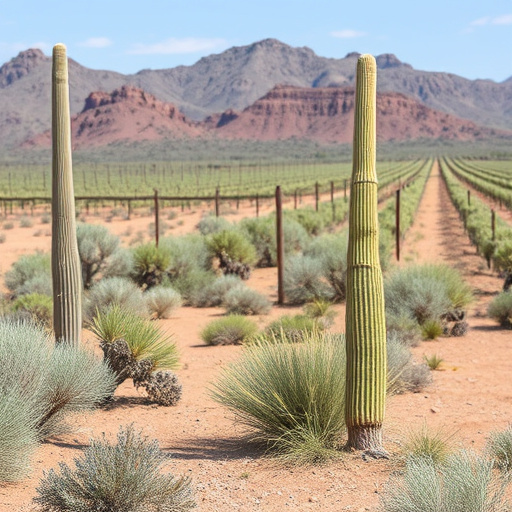
Arizona's desert landscapes, with their mineral-rich soils and intense sunlight, have fostered a unique viticultural environment, resulting in crisp white wines of exceptional character. Winemakers in southern Arizona have masterfully harnessed this terroir to produce varietals that reflect the region's distinctiveness. The hot, dry climate and varied soil compositions contribute to flavors ranging from citrus and green apple to mineral notes of flint and limestone. These wines stand out for their bright acidity and balanced aromas, making them ideal companions for a variety of cuisines.
The state's wineries in southern Arizona have embraced the challenges and opportunities presented by this arid environment, implementing strategies such as drip irrigation and canopy management to optimize grape ripening. This commitment to quality has led to recognition both domestically and internationally, with several Arizona wineries gaining accolades for their innovative approaches and outstanding wines. For wine enthusiasts, exploring these desert wineries offers a chance to uncover hidden gems and experience the terroir that sets Arizona apart from other wine-producing regions.
Visitors are encouraged to immerse themselves in the local wine culture by participating in tastings and tours, many of which highlight the unique challenges and rewards of growing grapes in such an inhospitable climate. Engaging with winemakers directly provides valuable insights into the art and science behind crafting these remarkable wines. Whether for leisure or research, delving into Arizona's desert wine scene promises a memorable journey through one of America's most captivating terroirs.
Winemakers in Southern Arizona: Crafting Crisp Whites
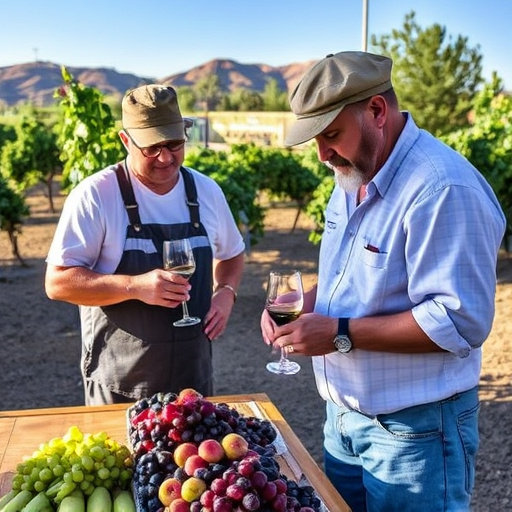
Winemakers in Southern Arizona have long been celebrated for their ability to craft exceptional crisp white wines from the region's unique mineral-rich desert soils. This distinct terroir, characterized by poor drainage and a high mineral content, fosters conditions ideal for growing grapes that contribute to the wine's vibrant acidity and crisp, clean profiles. The most prominent varietals include Sauvignon Blanc, Riesling, and Chenin Blanc, each able to highlight the complex minerality that is a hallmark of these wines.
The success of these wineries in southern Arizona lies not only in the terroir but also in the expertise of their winemakers. Many have honed their craft over decades, understanding the nuanced interactions between grapes and soil. They employ traditional methods, such as gravity-driven wine making and minimal intervention, to preserve the authentic character of the desert-grown grapes. This commitment to quality has earned them regional and international acclaim, solidifying southern Arizona as a premier destination for crisp white wines.
Practical advice for aspiring winemakers in this region includes investing in deep soil analysis to understand mineral profiles and pH levels, selecting grape varietals well-suited to the climate and soil, and adopting sustainable farming practices that respect the delicate desert ecosystem. Additionally, collaboration with established wineries can provide invaluable insights into marketing and distribution strategies, helping new producers navigate the competitive wine industry. Ultimately, the key to success is a blend of scientific understanding, artistic sensibility, and unwavering dedication to crafting exceptional crisp whites from this remarkable terroir.
Tasting Notes: The Character of These Crisp Whites

The crisp white wines grown in the mineral-rich soils of southern Arizona's desert regions stand out for their unique character and distinct flavors. Wineries in this region have pioneered the production of these exquisite whites, leveraging the area's arid climate and nutrient-dense soil to create varieties that are both refreshing and memorable. Tasting notes from these wines often reveal a balanced blend of citrus and mineral notes, with hints of green apple, lemon zest, and a subtle undercurrent of saline or flinty undertones. The acidity is typically vibrant, providing a crisp finish that lingers pleasantly on the palate.
Soil composition plays a pivotal role in shaping these whites' profiles. The region's volcanic soils, rich in silica and other minerals, impart flavors that range from stone fruits to herbal notes. For instance, some wineries have noted a distinct pear or peach aroma, while others detect a subtle hay-like quality, all stemming from the soil's influence. This mineral richness not only adds complexity but also contributes to the wines' longevity, with many aged examples showcasing enhanced depth and nuance.
When exploring these crisp whites, pay close attention to the winemaking techniques employed by Arizona's top wineries. Many opt for a lighter touch, allowing the natural characteristics of the grapes and soil to shine through. Partial malolactic fermentation is another common practice, which softens the acidity without losing the wine's vibrant core. As a result, these crisp whites offer a delightful dance between refreshment and complexity, making them perfect companions for a variety of culinary pairings, from seafood to light salads.
The article has unveiled a captivating journey into the world of crisp white wines cultivated in mineral-rich desert soils, specifically in Arizona. By exploring the unique terroir of Southern Arizona's wineries, we've discovered how these challenging conditions give rise to distinct and compelling wine characteristics. Winemakers in this region have masterfully harnessed the benefits of their mineral-dense soils, resulting in elegant, crisp whites that stand out on global shelves. Through tasting notes, we've gained insights into the nuanced flavors and aromas these wines offer, from citrus and mineral undertones to a refreshing acidity. This comprehensive overview equips readers with a deeper appreciation for the art of winemaking in Southern Arizona, highlighting the region's potential to produce world-class crisp whites that are truly a testament to their unique terroir.