
Homeowners increasingly opt for Pest Control Services naturally to protect ecosystems and minimize health risks from chemicals. Key strategies include using beneficial insects (e.g., ladybugs, lacewings), natural repellents (citrus oils, neem oil), regular cleaning, sealing entry points, proper ventilation, strategic landscaping, plant health management, and introducing natural predators. These methods, such as diatomaceous earth and essential oils, offer safe, eco-conscious alternatives to chemical pesticides while fostering a healthier planet.
In the pursuit of sustainable living, environmentally conscious individuals are increasingly seeking eco-friendly alternatives in every aspect of their lives, including pest control services. The traditional methods, often reliant on toxic chemicals, pose significant risks to both human health and ecosystems. This article delves into the world of sustainable pest management, exploring innovative solutions that harness nature's power to protect homes and environments without compromising well-being. We present an authoritative guide to eco-conscious pest control options, empowering readers to make informed choices that contribute to a greener future.
- Exploring Eco-friendly Pest Control Methods at Home
- Natural Solutions for Effective Pest Control Services
Exploring Eco-friendly Pest Control Methods at Home
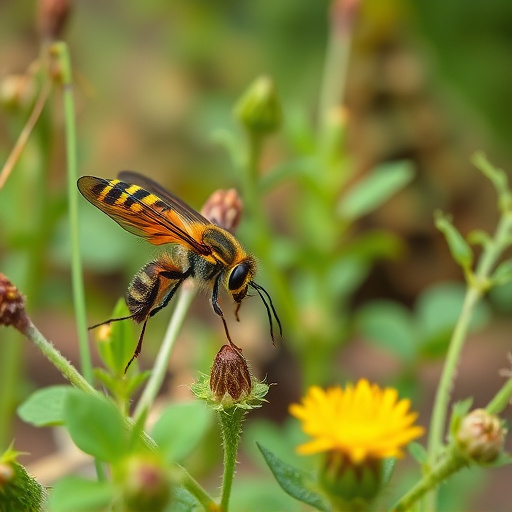
In today's world, an increasing number of homeowners are seeking eco-friendly pest control options as part of their commitment to environmental stewardship. This shift towards natural pest control methods not only reduces the potential harm to local ecosystems but also minimizes health risks associated with synthetic chemicals. Exploring these alternatives at home begins with understanding the principles behind them. One of the most effective strategies is integration with nature: using beneficial insects like ladybugs and lacewings, which feed on pests, can be a powerful and sustainable solution. For instance, ladybugs are known to target aphids, mealybugs, and scale, making them an excellent natural pest control service for gardens and homes.
Additionally, incorporating natural repellents such as citrus oils, peppermint, and neem oil can deter pests without leaving harmful residues. These substances not only drive away common intruders like ants, mosquitoes, and roaches but also break down quickly in the environment. Data from studies shows that neem oil, derived from the neem tree, is highly effective against a wide range of pests due to its insecticidal and fungicidal properties. Homeowners can adopt these methods by creating barriers using essential oils mixed with water and applying them around entry points and problem areas. Practical advice includes regularly cleaning and sealing entry points, maintaining proper ventilation, and keeping the environment clutter-free to reduce pest habitats.
Beyond individual efforts, collaborating with eco-conscious pest control services is a significant step towards sustainable pest management. These professionals employ integrated pest management (IPM) strategies that combine biological, cultural, and chemical methods to reduce pest damage and minimize the use of synthetic chemicals. For instance, some companies offer organic pest control services that utilize natural pesticides derived from plants, ensuring minimal environmental impact while effectively controlling pests. By choosing such services, homeowners contribute to a holistic approach that benefits not only their properties but also the surrounding ecosystem.
Natural Solutions for Effective Pest Control Services
In the quest for environmentally friendly solutions, natural pest control methods have emerged as a viable alternative to conventional chemical-laden options. This shift towards eco-conscious practices is not merely a trend but a necessary evolution in the realm of pest control services. By harnessing the power of nature's own defense mechanisms, we can effectively manage pests while minimising potential harm to our ecosystems and human health.
One of the most well-known natural solutions is the use of essential oils. These powerful plant extracts have been proven to repel various pests, including insects and rodents. For instance, a study conducted by researchers at the University of Florida found that citrus oils can act as potent insecticides, killing or repelling ants, spiders, and other common household pests. Moreover, natural substances like diatomaceous earth, derived from ancient marine life, have been long utilised for their ability to dehydrate and kill insects without leaving harmful residues. Another popular option is the use of beneficial insects, such as ladybugs and lacewings, which feed on garden pests, offering a biological control method that's both effective and environmentally safe.
Implementing these natural pest control services requires strategic planning and knowledge. Gardeners and property owners can create an environment that discourages pests through proper landscaping, maintaining plant health, and introducing natural predators. For example, planting herbs like mint, lavender, and basil not only adds beauty to outdoor spaces but also acts as a natural deterrent against mosquitoes and other insects. By embracing these ecological approaches, individuals can contribute to a healthier planet while enjoying pest-free environments.
By adopting eco-friendly pest control options, individuals can make responsible choices that protect both their homes and the environment. The article has explored a range of natural solutions, demonstrating that effective Pest Control Services naturally are achievable without harmful chemicals. Key insights include the power of prevention through sanitation and habitat manipulation, the effectiveness of plant-based repellents, and the benefits of introducing beneficial insects. These methods not only reduce environmental impact but also promote a balanced ecosystem. Moving forward, homeowners and businesses alike can take practical steps by integrating these natural techniques into their pest management strategies, ensuring a healthier and more sustainable future for all.