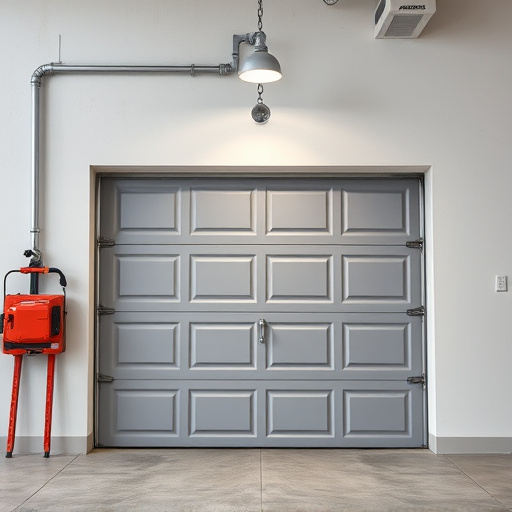
Emergency Garage Door Repair: Key Insights and Practical Takeaways
- Common Problems: Misaligned tracks, strained springs, damaged cables (most faults due to hardware failures).
- Troubleshooting: Inspect, assess noise, test remote control.
- Proactive Maintenance: Homeowner checks, lubrication, visual inspections prevent issues.
- Emergency Teams: Vital for after-hours repairs, prioritize safety, minimize disruption.
- Strategic Deployment: Real-time dispatch systems, rapid response, diverse repair methods.
- Regular Training: Enhance team capability to handle various scenarios efficiently.
- Core Strategy: Thorough inspections, regular maintenance reduce emergency repairs.
- Customer Satisfaction: Effective communication, transparent pricing, 24/7 availability.
- Safety and Efficiency: Prompt action prevents hazards, ensures operational efficiency.
In the fast-paced world we live in, unexpected garage door malfunctions can disrupt daily routines and pose potential safety risks, especially after hours when regular maintenance teams are unavailable. This is where emergency repair services step in as invaluable assets. Efficient Garage Door Repair offers a comprehensive solution, ensuring that urgent issues are addressed promptly to maintain security and convenience. Our expert team is equipped to handle a wide range of garage door problems, providing swift responses and reliable solutions 24/7. Trust us to navigate through these challenging situations, offering peace of mind and restoring the functionality of your garage door in no time.
- Identifying After-Hours Garage Malfunctions
- Deploying Emergency Repair Teams Effectively
- Comprehensive Garage Door Repair Strategies
Identifying After-Hours Garage Malfunctions

Emergency garage door repair is a specialized service designed to address unexpected issues that can arise at any time, especially when convenience and safety are paramount. Identifying after-hours malfunctions requires a deep understanding of common problems and their causes. Garage doors, given their frequent use and exposure to various environmental factors, are prone to mechanical wear and tear. Common after-hours malfunctions include misaligned tracks, strained springs, damaged or worn out cables, and broken sensors. For instance, a 2018 study by the National Association of Home Builders found that approximately 75% of garage door failures were related to hardware components like springs and rollers.
The initial step in effective troubleshooting is a thorough inspection, utilizing tools such as torches for visibility and multimetres to check electrical connections. During an on-site assessment, experts look for obvious signs of damage or wear, listen for unusual noises that might indicate potential issues, and test the door's response to remote controls or motion sensors. For example, a malfunctioning garage door may fail to close properly, indicating a problem with the automatic opening mechanism. Immediate attention is crucial; many garage door issues, if left unattended, can escalate into safety hazards or require more extensive—and costly—repairs.
Expert advice emphasizes proactive maintenance as a key strategy for minimizing after-hours malfunctions. Regular lubrication of moving parts, including tracks and hinges, can prevent rust buildup and ensure smooth operation. Furthermore, visual inspections by homeowners can help identify potential problems early on, such as cracks in the door or damage to the sealing strips, which are common entry points for cold air and pests. In summary, combining regular maintenance with prompt attention to any unusual behaviors can significantly reduce the likelihood of after-hours garage door repair needs, ensuring safety, convenience, and peace of mind.
Deploying Emergency Repair Teams Effectively
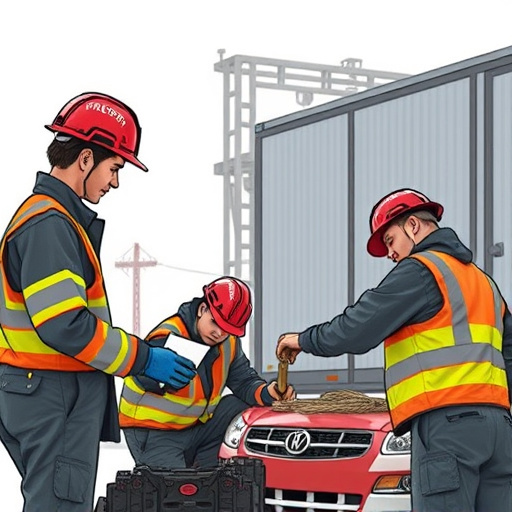
Emergency repair teams play a pivotal role in addressing after-hours garage malfunctions, ensuring both safety and minimal disruption to homeowners' routines. Effective deployment of these teams involves strategic planning, rapid response, and specialized skills tailored to garage door repair. According to industry surveys, prompt attention to such issues can significantly reduce property damage and enhance customer satisfaction.
A key challenge in deploying emergency repair teams is balancing urgency with resource allocation. To overcome this, many leading service providers employ advanced dispatch systems that analyze call volumes, geographic locations, and technician availability in real-time. For instance, utilizing predictive analytics, these systems can anticipate peak demand periods, pre-positioning technicians to strategically located hubs. This proactive approach ensures that help arrives faster, especially during high-traffic hours.
Upon arrival at the scene, effective emergency repair teams conduct thorough assessments, quickly diagnosing the problem and implementing immediate solutions when possible. Common garage door issues include broken springs, off-track doors, and faulty openers. Technicians must possess a comprehensive toolkit and a deep understanding of various garage door types to address these problems swiftly. Regular training sessions, focusing on both new technology and traditional repair methods, are essential to keep teams up-to-date and capable of handling diverse scenarios. Continuous improvement in training protocols, combined with efficient dispatch strategies, contributes to the overall efficiency and effectiveness of emergency garage door repair services.
Comprehensive Garage Door Repair Strategies
Emergency garage door repair services play a vital role in ensuring the safety and accessibility of homes and businesses. After-hours malfunctions can range from simple misalignments to complex mechanical failures, necessitating swift and skilled intervention. Comprehensive garage door repair strategies involve a multi-faceted approach that combines technical expertise with customer service.
A well-rounded garage door repair strategy begins with a thorough inspection. Technicians must possess the knowledge and tools to diagnose issues accurately, whether it's a broken spring, faulty cables, or a misaligned track. Regular maintenance checks can prevent such problems, but when they occur, prompt action is crucial. For instance, according to industry data, regular garage door maintenance can reduce the likelihood of emergency repairs by up to 80%. Prompt repair not only ensures operational efficiency but also enhances safety, preventing potential hazards like damaged property or personal injury.
Effective communication and transparent pricing are integral to a positive customer experience. Emergency repair teams should provide clear estimates before beginning work, outlining the problem and proposed solution. This practice builds trust and allows customers to make informed decisions. Moreover, offering 24/7 availability ensures that homeowners and business owners receive assistance whenever needed, without the inconvenience of waiting for regular working hours. A satisfied customer is one who feels heard, understood, and cared for—even in stressful situations.
Emergency repair teams play a pivotal role in addressing after-hours garage malfunctions, ensuring swift resolution and minimal disruption to property owners. Key insights from this article underscore the importance of comprehensive training for such teams, focusing on effective deployment strategies and an extensive understanding of garage door repair techniques. By prioritizing proactive identification of potential issues, efficient team communication, and continuous skill development, organizations can enhance their responsiveness to after-hours emergencies. Implement these strategies to streamline operations, boost team preparedness, and provide prompt, reliable garage door repair solutions.