
Maintaining a healthy lawn requires an understanding of Lawn Care And Landscaping principles tailored to grass species, soil, and climate. Key practices include consistent mowing, deep watering less frequently, regular fertilization, and prompt pest/disease treatment. Organic methods like composting and mulching enhance lawn health and sustainability, ensuring optimal growth conditions until next professional service.
Maintaining a lush, healthy lawn is an ongoing pursuit for many homeowners, often requiring professional services to achieve and sustain optimal conditions. However, between scheduled visits from lawn care and landscaping experts, there are practical steps you can take to safeguard your yard's well-being. This article provides valuable insights into the art of self-care for your lawn, offering a comprehensive guide to tips that ensure your grass remains vibrant and robust until your next professional interaction. Get ready to unlock the secrets to lawn longevity.
- Understanding Lawn Care And Landscaping Between Professional Services
- Practical Tips For Effective DIY Lawn Maintenance
Understanding Lawn Care And Landscaping Between Professional Services
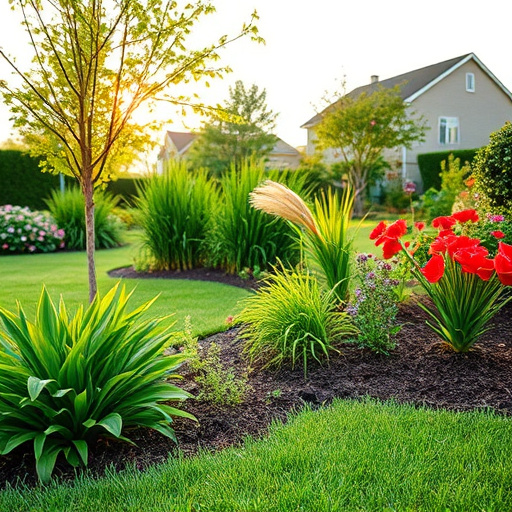
Maintaining a lush, healthy lawn between professional visits requires a deep understanding of Lawn Care And Landscaping principles. It's not merely about watering and mowing; it involves recognizing and addressing the unique needs of your grass species, soil composition, and local climate. For instance, while cool-season grasses like Kentucky bluegrass thrive in spring and fall, warm-season grasses such as Bermuda or Zoysia do better during warmer months. Understanding these variations allows for targeted care, ensuring each grass type receives the optimal conditions for growth.
Regular monitoring is key to successful Lawn Care And Landscaping. Inspect your lawn weekly for signs of stress, such as discolored spots, thin areas, or pest infestations. Early detection enables prompt action, preventing minor issues from escalating into major problems that require intensive professional intervention. Additionally, seasonal adjustments are crucial; changing weather patterns impact grass health, necessitating modifications in watering schedules, fertilization, and pest control strategies. For instance, during dry spells, deep but infrequent watering encourages deeper root growth, making lawns more resilient to drought.
To foster natural Lawn Care And Landscaping, consider incorporating organic practices. Composting lawn clippings and using organic fertilizers enrich the soil, promoting robust grass growth. Mulching mowed grass returns nutrients directly to the turf, reducing the need for external fertilizers. Furthermore, integrating beneficial insects like ladybugs or lacewings can naturally control pest populations, minimizing the reliance on chemical pesticides. These methods not only enhance overall lawn health but also contribute to a more sustainable and eco-friendly approach to landscaping.
Practical Tips For Effective DIY Lawn Maintenance
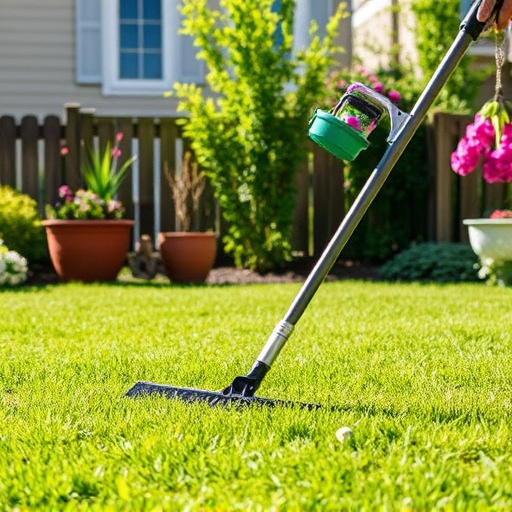
Maintaining a lush and healthy lawn between professional visits requires dedication and strategic practices. Lawn care and landscaping is an ongoing process that demands attention to detail and a well-equipped toolkit. Here are some practical tips for effective DIY lawn maintenance, ensuring your grass remains in top condition until your next professional service.
Regular mowing is crucial, aiming for consistent height throughout. Adjust your mower settings accordingly; generally, cutting no more than one-third of the grass blade at a time. For instance, if your grass grows to 3 inches, mow it down to 2 inches, allowing for healthier regrowth. Keep an eye out for uneven areas and adjust your mowing pattern to ensure even cutting. Consider investing in a push or ride-on mower, depending on your lawn size, for efficient coverage.
Watering is another critical aspect; timing and frequency are key. Morning watering is ideal as cooler temperatures reduce evaporation rates. Aim for deep watering sessions less frequently to encourage deeper root growth. For instance, water your lawn thoroughly once a week, allowing the top inch of soil to dry out between waterings. This approach conserves water and strengthens your grass against drought conditions. Additionally, consider installing an automatic irrigation system for consistent and efficient lawn care and landscaping practices.
Fertilization is essential for nutrient replenishment. Use a balanced fertilizer suitable for your grass type and apply it according to the manufacturer's instructions. Spring and fall are typically the best times for fertilization, promoting robust growth during the active seasons. For example, a 10-10-10 (nitrogen-phosphorus-potassium) fertilizer can be applied in early spring and again in late summer or early fall. Regularly inspect your lawn for any signs of pest infestation or disease, addressing them promptly with targeted treatments to maintain overall health.
By embracing a proactive approach to lawn care and landscaping between professional visits, homeowners can significantly enhance their outdoor spaces. Understanding the fundamental principles of lawn maintenance, such as proper watering techniques, mowing best practices, and fertilization schedules, equips you with the knowledge to maintain a lush, healthy lawn. Practical tips, including regular weeding, aeration, and seasonal adjustments, ensure your lawn stays in top condition. Investing time in these DIY practices not only saves costs but also deepens your connection to your property's care and beauty. With this guide's insights as your framework, you're now equipped to take charge of your lawn's well-being between professional services, fostering a vibrant outdoor oasis that becomes the envy of the neighborhood.