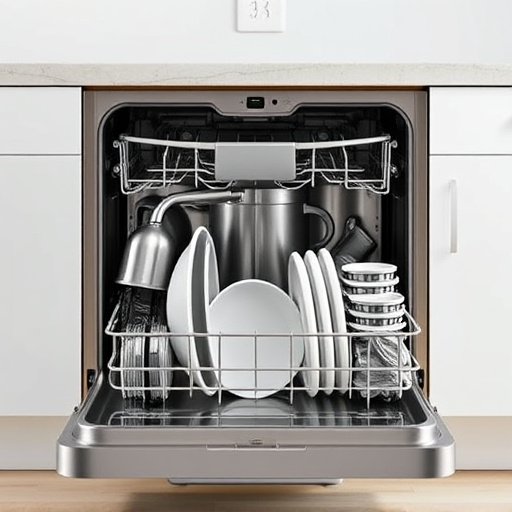
Common GE dishwasher issues include pump failures, leaks, poor cleaning, and strange noises. Basic troubleshooting helps diagnose problems like leaks, blocked filters, and abnormal sounds. Regular maintenance prevents future issues. Complex issues like faulty control boards require professional repair services to avoid further damage and safety risks.
Dishwashers are modern conveniences that can quickly turn into sources of frustration when they malfunction. As one of the most relied-upon appliances in any kitchen, understanding how to effectively repair your GE dishwasher is an invaluable skill. This guide offers a comprehensive solution for troubleshooting and repairing common issues, empowering you to tackle basic repairs with confidence. For more complex problems, we'll guide you on when it's time to call in a professional. With these insights, you can ensure your GE dishwasher provides hassle-free cleaning for years to come.
- Identifying Common GE Dishwasher Issues
- Troubleshooting & Basic Repair Steps
- Advanced Repairs: When to Call a Professional
Identifying Common GE Dishwasher Issues
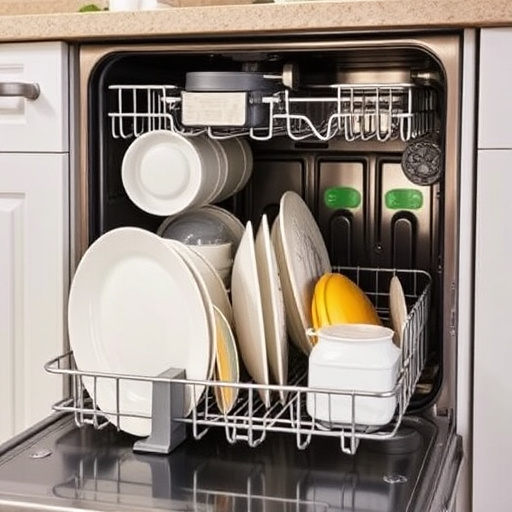
When it comes to GE dishwasher repair, understanding common issues is key to hassle-free clean-up. Knowing what might go wrong can empower you to tackle problems swiftly, saving time and money. The most frequent GE dishwasher woes include pump failures, leaking, poor cleaning performance, and strange noises.
Let's break down these issues further. Pump failures are among the most common complaints, often leading to insufficient water flow and subpar washing results. Leaks can spring from various sources—dishwasher doors, seals, or hoses—causing not only damage but also potential water waste. Ineffective cleaning may be caused by clogged filters, blocked spray arms, or worn-out wash cycles, leaving dishes spotty or dirty. Lastly, unusual noises like grinding or banging could indicate problems with the drain pump, motor, or gears.
Diagnosing these issues requires some basic troubleshooting. Check for leaks by running the dishwasher and observing water accumulation around the unit. Inspect filters and spray arms for blockages, ensuring they're free from food debris or buildup. Listen carefully for abnormal noises that might pinpoint specific components causing problems. If pump failures or other major issues persist, it’s best to consult a professional repair service with GE-specific expertise. Regular maintenance, including cleaning the dishwasher's interior and checking connections, can also prevent future problems and ensure your GE dishwasher operates smoothly for years to come.
Troubleshooting & Basic Repair Steps
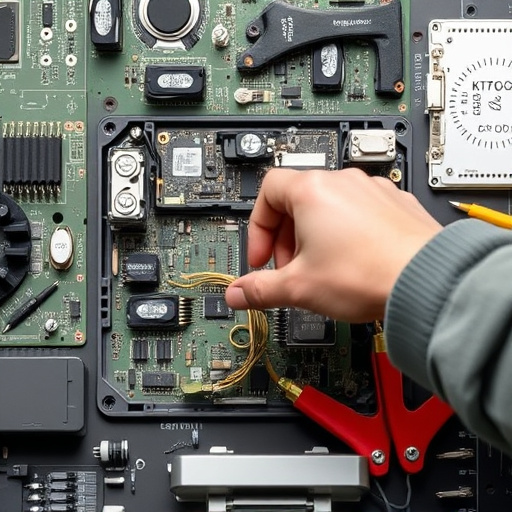
Having trouble with your GE dishwasher? Don't worry, you're not alone. Even the most reliable appliances can run into issues from time to time. The good news is, many common problems are easily fixable. Before calling in a professional, try these troubleshooting and basic repair steps.
The first thing to check is the power supply. Ensure that the dishwasher is plugged in securely and that the outlet works by testing it with another device. If the problem persists, check for tripped circuit breakers or blown fuses. Sometimes, a simple reset can solve these issues. Next, examine the filters and spray arms for any obstructions. Food debris and other buildup can cause poor cleaning performance and strange noises. Remove and clean the filters regularly, and ensure nothing is blocking the spray arms.
If your GE dishwasher still isn't working properly, the problem might be with the control board or a specific component like the heating element or pump. These parts are more intricate and may require replacement if damaged. For instance, a faulty control board can lead to unexpected shutdowns or failure to start. In such cases, it's best to consult a repair manual or contact a qualified technician for guidance. Regular maintenance, including cleaning and checking these components, can prevent many future issues.
Advanced Repairs: When to Call a Professional
Many homeowners can handle basic GE dishwasher repairs themselves, but there comes a time when even the most seasoned DIYer needs to call in a professional. While troubleshooting common issues like leaking or poor cleaning performance might be straightforward, more complex problems often require advanced skills and specialized tools.
Advanced GE dishwasher repairs involve situations such as faulty control boards, broken pumps, or damaged heating elements—parts that are intricate, delicate, and crucial for the dishwasher’s proper functioning. Attempting to repair these components without the right expertise can lead to further damage, voiding warranties, and even safety risks. For instance, a malfunctioning control board could cause electrical shocks or fires if not handled by a trained technician.
Professional technicians are equipped with specialized tools, including multimeter devices for precise voltage measurements, soldering irons for intricate wiring repairs, and replacement parts specifically designed for your model. They also have the knowledge to diagnose complex issues, ensuring that all components work in harmony. Regular maintenance checks by pros can even prevent future problems. In some cases, it’s more cost-effective in the long run to invest in professional repair services rather than trying to fix a dishwasher yourself with limited tools and potential for greater damage.
In addressing common GE dishwasher issues, from basic troubleshooting to advanced repairs, this article has equipped you with the knowledge to tackle most problems yourself. By understanding the inner workings of your appliance and knowing when to seek professional help, you can ensure a hassle-free cleaning experience for years to come. Remember, proper maintenance and timely intervention are key to preserving the efficiency and longevity of your dishwasher. With these insights in hand, you're now better prepared to navigate any dishwashing challenge that comes your way.