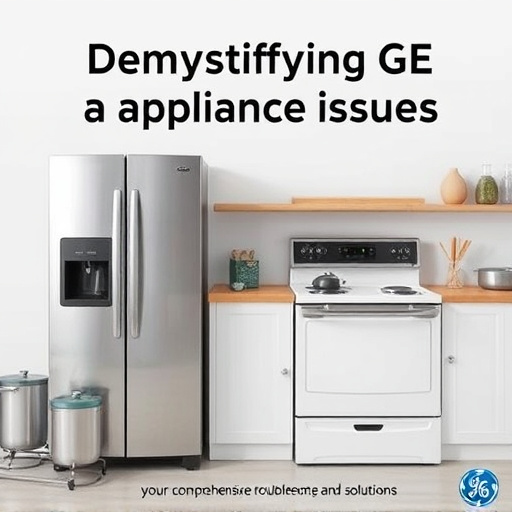
GE appliances can experience issues like inconsistent performance and early failure due to faulty wiring, worn parts, or user error. Mitigation strategies include regular maintenance, proper installation, and following use instructions. Troubleshooting involves checking drain hoses, thermostat settings, and consulting manuals or online forums. Consumers should explore repair or replacement options through GE customer support, aided by warranties or service contracts. Regular maintenance and prompt attention to warning signs ensure long-term appliance performance.
"In today's world, GE appliances are a common fixture in many households, promising convenience and reliability. However, these devices are not immune to problems, leading to frustration for homeowners. This guide offers an authoritative look at the most prevalent issues plaguing GE appliances—from electrical malfunction to performance dips—and provides effective troubleshooting solutions. By the end of this comprehensive analysis, readers will be equipped with the knowledge to identify and rectify common GE appliance problems swiftly, ensuring these essential household tools continue to serve their purpose efficiently."
Identifying Common GE Appliance Issues
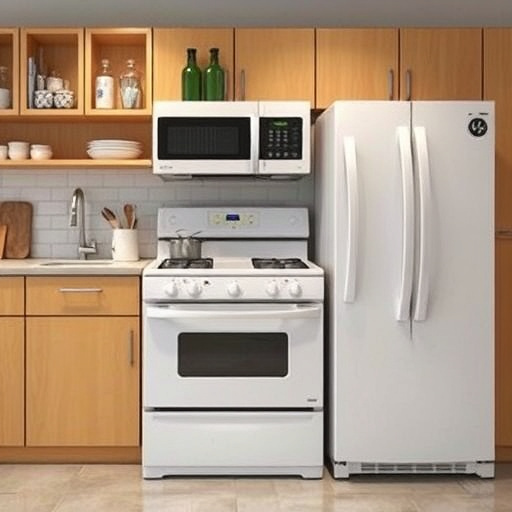
Understanding Common Problems with GE Appliances and Solutions
Many homeowners rely on General Electric (GE) appliances for daily tasks, but like any machinery, they can encounter issues over time. Identifying common problems early is crucial to prevent minor inconveniences from turning into major repairs. This section focuses on the most frequent GE appliance issues and offers practical solutions to help you keep your home running smoothly.
Identified Issues and Their Causes
One of the most common complaints among GE appliance owners is inconsistent performance, such as an oven not heating properly or a washing machine not agitating enough. These problems can stem from various factors: faulty wiring, worn-out parts, or even simple user error. For instance, improper installation or adjustment of temperature controls can lead to cooking discrepancies. Regular maintenance checks and ensuring proper use instructions are followed can mitigate these issues.
Another prevalent concern is the early failure of appliances, particularly high-use items like refrigerators and dishwashers. While some wear and tear is normal, rapid degradation often indicates a manufacturing defect or poor quality control. In such cases, consumers should reach out to GE customer support for repair or replacement options, which may include extended warranties or service contracts.
Troubleshooting Tips and Common Solutions
When faced with an issue, trying basic troubleshooting steps first can save time and money. For example, if your dishwasher isn't draining, check the drain hose for clogs or kinks. A simple cleaning or reattachment might resolve the problem. In cases of refrigerator temperature control issues, verify that the thermostat is set correctly and not blocked by food or other items.
For more complex problems, like a washing machine leaking water, it's essential to consult the appliance's manual for troubleshooting guides specific to its model. Online forums and community boards are also valuable resources for gathering insights from fellow GE appliance owners who may have encountered similar issues and found effective solutions.
Troubleshooting and Effective Solutions

Many homeowners rely on GE appliances for day-to-day tasks, so when they start experiencing problems, it can be frustrating. The good news is that many common issues with these appliances can be easily diagnosed and resolved. This section provides a comprehensive guide to troubleshooting and offers effective solutions for some of the most frequent concerns you might encounter with your GE home electronics.
One of the most prevalent problems is unusual noises coming from the appliance, such as grinding or squealing sounds from a dishwasher or humming from a refrigerator. These noises often indicate worn-out parts like faulty bearings or loose seals. A simple solution is to check for loose connections and ensure all components are securely fastened. For more severe cases, replacing damaged parts can resolve these issues quickly. Another frequent concern involves appliances not heating up or cooling down effectively. This could be due to blocked filters, outdated thermostats, or faulty heating elements. Regular maintenance, such as cleaning filters and checking temperature settings, is essential. However, if the problem persists, replacement parts might be necessary.
When an appliance doesn't turn on at all, it can be frustrating, but there are some quick checks you can perform. Check power sources and ensure circuits are functional. A tripped circuit breaker or a blown fuse could be the culprit. Resetting these and ensuring proper wiring can often resolve the issue. In cases where appliances still won't operate, consult a professional to diagnose more complex problems, like faulty control boards or internal wiring damage. Regular maintenance and prompt attention to warning signs can prevent major issues and ensure your GE appliances serve you for years to come.
Understanding and addressing common problems with GE appliances is a valuable skill for any homeowner, empowering them to save time, money, and potentially extend the lifespan of these devices. By recognizing typical issues like faulty controls or performance hiccups and implementing effective solutions such as simple adjustments or basic repairs, you can avoid costly technician calls. Armed with this knowledge, you'll navigate the landscape of GE appliance maintenance with confidence, ensuring your appliances remain reliable pillars in your home for years to come. This proactive approach not only fosters efficiency but also testifies to the durability and reliability inherent in well-cared-for GE products.