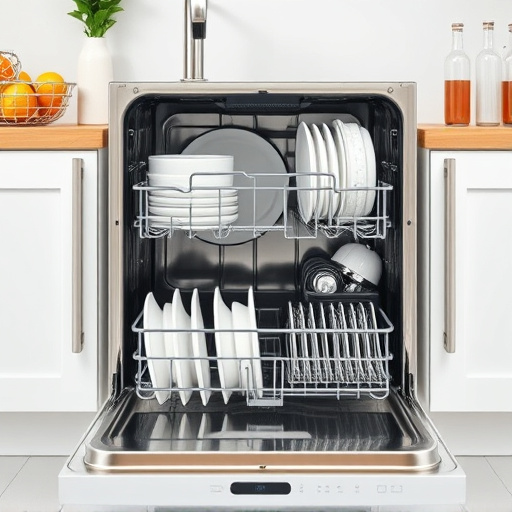
GE dishwasher common problems include water leaks from damaged door seals, poor drying due to blocked filters/faulty heating elements, subpar cleaning from inadequate detergent distribution or low water pressure, and severe cleaning issues from spray arm/pump problems. Troubleshooting involves checking for visible blockages, inspecting for debris, testing water supply valves, and regular maintenance like clearing food debris and rotating dishes. Electrical issues require professional help.
Dishwashers are supposed to simplify cleaning up, yet common issues can turn mealtimes into headaches. Fortunately, understanding the root causes and knowing how to repair your GE dishwasher can restore hassle-free clean-up. This guide provides a curated itinerary through the most frequent problems—from leaky gates to inadequate cleaning—and offers clear, step-by-step solutions. By the end of this analysis, you'll be equipped with the knowledge and confidence to diagnose and resolve common GE dishwasher dilemmas, ensuring your kitchen appliance works as efficiently and effectively as intended.
- Understanding Common GE Dishwasher Issues & Solutions
- Step-by-Step Guide: Diagnosing & Repairing Your GE Dishwasher
Understanding Common GE Dishwasher Issues & Solutions
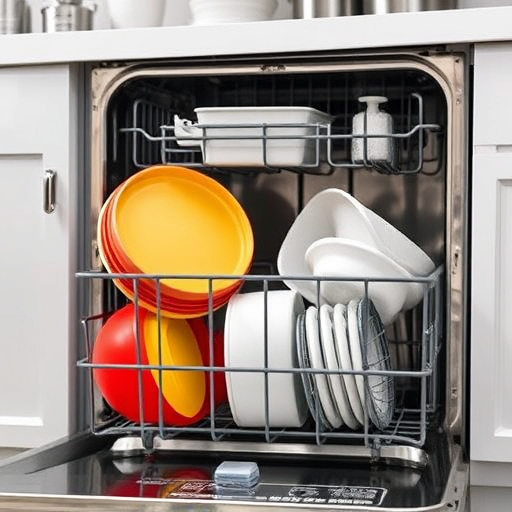
Dishwashers are designed to simplify cleaning up after meals, but when they start showing signs of trouble, it can leave you with a pile of dirty dishes and frustration. Understanding common issues and knowing how to fix them can help prevent costly repairs or even replacement. This section delves into the most frequent GE dishwasher problems and offers practical solutions to get your dishwasher running smoothly again.
One of the most common complaints is water leaking. Often, this issue stems from a damaged or worn-out door seal. Over time, these seals can crack or become loose, allowing water to seep out. A simple fix is to replace the door gasket, a relatively inexpensive part that can be installed by a do-it-yourselfer with the right tools. Another frequent problem is poor drying performance, resulting in spotty or wet dishes after the wash cycle. This could be due to a blocked or faulty heating element, which can be resolved by cleaning the filter and checking the element for damage or corrosion.
Some dishwashers may also struggle to clean properly, leaving streaks or residue on glasses and dishes. This is often caused by inadequate detergent distribution or low water pressure. Simple adjustments, like ensuring you're using the correct amount of detergent designed for your dishwasher model, can improve cleaning performance. In more severe cases, issues with the spray arms or pumps may be at fault, requiring replacement parts to restore optimal cleaning capabilities. Regular maintenance, such as clearing food debris from the bottom and rotating dishes during the wash cycle, can prevent many of these problems and ensure your GE dishwasher continues to provide hassle-free clean-up for years to come.
Step-by-Step Guide: Diagnosing & Repairing Your GE Dishwasher
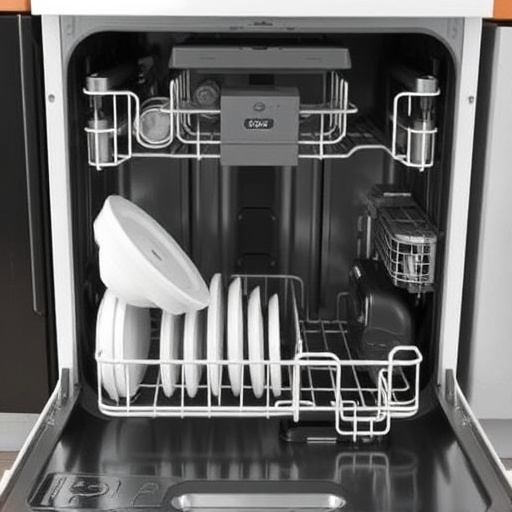
Dishwashers are a modern kitchen staple, but even these seemingly simple appliances can give you trouble when they malfunction. If your GE dishwasher isn't cleaning properly, it's time to diagnose and repair the issue. This step-by-step guide will help you tackle common problems efficiently.
First, power down and unplug your dishwasher to ensure safety. Then, check for obvious issues like blocked filters or loose parts. Empty the dishwasher and inspect the bottom for any debris or food particles that could be causing the problem. If these initial checks don't reveal the issue, move on to more detailed diagnostics. One common culprit is a faulty spray arm—inspect it for clogs or damage. Also, examine the door seal for tears or wear, as this can lead to leaks and poor cleaning performance.
Next, test the water supply by checking valves and hoses. A leaky or blocked valve will prevent proper water flow, impacting cleaning efficiency. If you're familiar with basic tools and plumbing, replacing these parts can be a straightforward fix. However, if the problem is electrical in nature—say, a burnt-out heating element or a faulty control board—it's best left to a professional. These components require specialized knowledge to safely replace.
Remember, regular maintenance, including cleaning the spray arm and door seal, can prevent many common issues. By following these steps and identifying the specific problem, you'll be well on your way to ensuring your GE dishwasher cleans like new again.
In tackling common GE dishwasher issues and providing a comprehensive guide to repairs, this article has empowered you with the knowledge to navigate—and resolve—many of the challenges that can disrupt your clean-up routine. By understanding typical problems and following structured diagnostic steps, you're now equipped to save time, money, and the frustration associated with appliance malfunctions. Remember, proactive maintenance and informed troubleshooting are key to ensuring a hassle-free dishwasher experience for years to come. As an expert in GE dishwasher repair, I encourage you to continue exploring solutions and embracing the convenience of a well-maintained kitchen appliance.