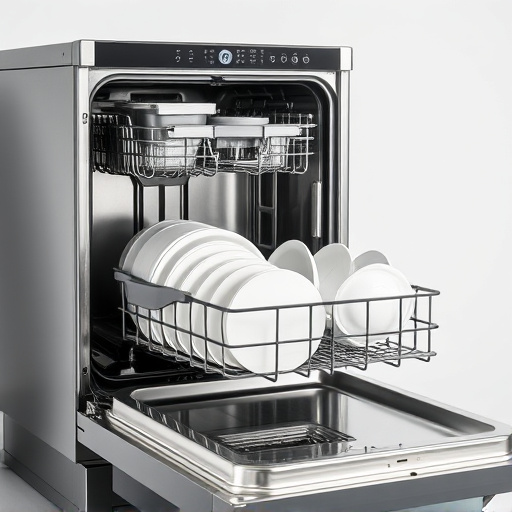
GE dishwasher common problems include cleaning issues, leaks, and noises. Simple fixes like gasket checks and spray arm cleaning resolve many issues. Complex repairs, such as electrical or pipe damage, require professional services. Regular maintenance, including filter and seal checks, prevents future problems. Proper care extends lifespan, enhances performance, and saves on costs.
Dishwashers are a modern convenience that deserves to function seamlessly, leaving you with hassle-free clean-up and more time for what matters. However, these appliances aren't immune to issues, with common problems like leaking, poor cleaning performance, or odd noises often arising over time. This guide offers a comprehensive solution to your GE dishwasher troubles. We break down the most frequent problems, providing a step-by-step approach to fixing them yourself. Additionally, we emphasize preventative maintenance strategies to ensure longevity and optimal performance. Armed with this knowledge, you'll be equipped to navigate any dishwasher dilemma, ensuring a spotless kitchen for years to come.
- Understanding Common GE Dishwasher Issues
- Step-by-Step Guide to Basic Repairs
- Preventative Maintenance for Longer Lifespan
Understanding Common GE Dishwasher Issues
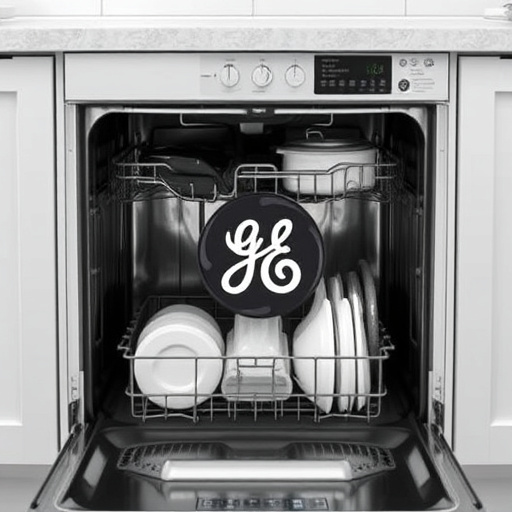
Many homeowners face frustrating GE dishwasher issues that disrupt their daily routines. Understanding common problems can empower you to tackle them head-on. The most frequent GE dishwasher complaints include inadequate cleaning power, leaking water, strange noises, and poor drainage. For instance, a dishwasher might not clean dishes thoroughly, requiring manual scrubbing before rinsing. Leaks often originate from the door gaskets or lower spray arms, while unusual sounds could signal worn-out parts like pumps or motors. Water supply issues may be caused by clogs in filters or pipes, hindering efficient cleaning and leading to overflows.
These problems aren't always straightforward to diagnose, but many can be resolved with simple troubleshooting techniques. For water leakage, check door gaskets for damage or misalignment; replacement is often the solution. Noisy dishwashers might benefit from sealing leaks around the door or replacing rubber seals. If dishes remain spotty, consider cleaning the spray arms and filters, which can accumulate food debris impeding cleaning performance. Drainage issues could point to a clogged drain pump or filter, easily addressed through disassembly and thorough cleaning.
While DIY repairs can be cost-effective, complex problems may require professional intervention. Ge Dishwasher repair services offer specialized knowledge and access to genuine replacement parts, ensuring lasting solutions. Regular maintenance, including cleaning filters and checking seals, can also prevent future issues, making your dishwasher a reliable kitchen helper for years to come.
Step-by-Step Guide to Basic Repairs
Dishwashers are a modern convenience that can save you significant time and effort in the kitchen. However, when they stop working, it can lead to a pileup of dishes and frustration. Luckily, many common dishwasher issues can be easily resolved through simple repairs. This step-by-step guide will walk you through basic dishwasher repairs, empowering you to tackle problems like clogged filters, broken doors, and even leaky pipes—all without calling a professional.
The first step in repairing any appliance is to identify the issue. Start by checking for obvious signs of damage or wear. Inspect the door gaskets for tears or cracks that could cause leaks. Look at the spray arms for any obstructions that might be blocking water flow, like bits of food or silverware. A clogged filter is a common culprit for poor cleaning performance and should be cleaned or replaced regularly. If you suspect electrical problems, look for frayed wires or disconnected components behind the dishwasher, but be cautious—electrical repairs require special knowledge and tools.
Once you've identified the problem, it's time to act. For smaller issues like clogged filters or broken seals, replacement parts are readily available at hardware stores. Simple tools like a screwdriver will usually suffice for most basic repairs. If the issue is more complex, such as a leaky pipe or electrical malfunction, consider seeking guidance from an appliance repair manual or contacting a local handyman service. Remember, safety should always be your top priority when dealing with any household appliances.
Preventative Maintenance for Longer Lifespan

A well-maintained GE dishwasher can provide years of hassle-free cleaning, ensuring your dishes come out sparkling clean each cycle. Preventative maintenance is key to extending the lifespan of this essential kitchen appliance. Regular care not only saves you from costly repairs but also keeps your energy bills in check.
One of the primary steps involves cleaning the spray arms and filters regularly. Over time, these components can become clogged with food debris, reducing water circulation and performance. A simple solution is to soak them in warm, soapy water or use a specialized cleaner designed for dishwashers. Another crucial maintenance task is checking and replacing the seal around the door. Even a small tear can lead to water leaks, causing damage to your dishes and increasing energy usage.
Additionally, keeping the dishwasher's drain and pipes free of grease and food particles prevents blockages. Regularly pouring a mixture of baking soda and vinegar into the machine can help clear any buildup. It's also beneficial to leave the door ajar after each use to allow the interior to air dry, preventing the growth of mold and mildew.
By incorporating these simple preventative measures into your routine, you'll not only extend the life of your GE dishwasher but also ensure it continues to deliver efficient and effective cleaning performance for years to come.
By understanding common issues and equipping yourself with basic repair skills, you can turn your GE dishwasher from a source of frustration into a reliable helper for years to come. Following the step-by-step guide and adopting preventative maintenance practices ensures not only hassle-free cleaning but also saves time, money, and the potential environmental impact of replacing an otherwise functional appliance. Remember, proactive care is the key to maintaining your dishwasher's performance and minimizing future repairs. Let these insights empower you to confidently navigate any dishwashing challenges that arise.